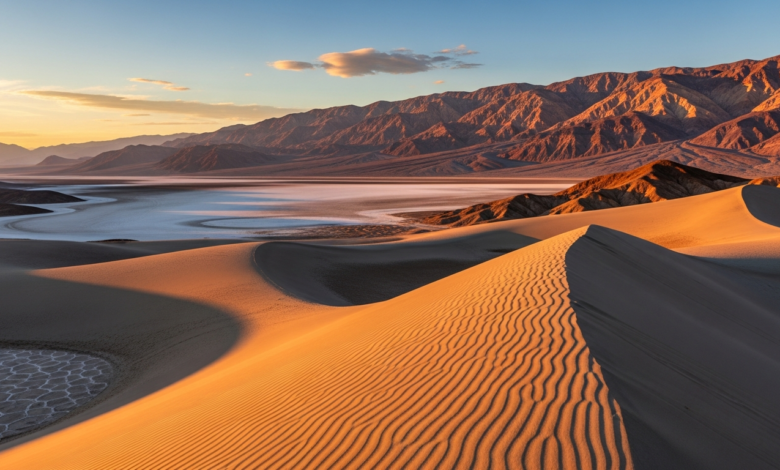
Best Time to Visit Death Valley is one of the most unique and breathtaking landscapes in the United States. Famous for its vast desert plains, colorful canyons, and extreme temperatures, it’s a place that excites every nature lover and adventure seeker. But if you want to make the most of your visit, knowing the best time to visit Death Valley is essential. Choosing the right season can mean the difference between enjoying scenic hikes and battling extreme heat.
In this guide, we’ll explore the best seasons to visit, what to expect during each month, and how to plan your trip for safety and comfort. We’ll also cover fun activities, travel tips, and frequently asked questions so that your Death Valley adventure is smooth, memorable, and stress-free.
Why Timing Matters in Death Valley
Death Valley is the hottest place in North America. Summer temperatures can soar above 120°F, making outdoor activities dangerous. The best time to visit Death Valley is during cooler months, usually between October and April. During these months, the weather is comfortable, days are sunny, and nights are cooler for camping. Visiting in summer is possible, but you must prepare for extreme heat, carry plenty of water, and avoid strenuous hikes.
Timing also affects wildlife sightings, photography opportunities, and flower blooms. For instance, the famous desert wildflowers bloom in spring, usually in March and April, but only after sufficient rainfall. By planning your trip according to the best season, you ensure a safe, enjoyable, and memorable experience.
Best Seasons to Visit Death Valley
Fall (October – November): This is a perfect time for outdoor exploration. Temperatures range from 70–90°F, ideal for hiking, sightseeing, and stargazing.
Winter (December – February): Winter is the most comfortable season. Expect temperatures between 60–70°F during the day and cooler nights. It’s ideal for photography, scenic drives, and camping.
Spring (March – April): Spring brings vibrant desert wildflowers and pleasant temperatures. It’s a great time for photography and exploring the desert trails.
Summer (May – September): Summer is extremely hot, often exceeding 120°F. Only recommended for short visits or if you plan to stay in air-conditioned areas.
Weather Considerations in Death Valley
Death Valley’s desert climate is extreme. Summer brings dangerous heat, while winter can be surprisingly cold at night. Always check the forecast before your visit. Carry water, sunscreen, hats, and protective clothing. Desert storms can occur in winter, bringing rain that transforms the valley into a stunning, flower-filled landscape. Knowing the weather ensures a safe and enjoyable trip.
Top Activities During the Best Time to Visit Death Valley
- Hiking: Explore Golden Canyon, Mosaic Canyon, and Dante’s View.
- Scenic Drives: Take the Artists Drive or Badwater Basin for epic views.
- Photography: Capture the unique landscapes, sunrise, and sunset colors.
- Stargazing: Death Valley is a Dark Sky Park, perfect for night photography.
- Wildlife Watching: Spot bighorn sheep, coyotes, and desert birds.
Travel Tips for Visiting Death Valley
- Stay hydrated and carry extra water.
- Avoid hiking during peak heat in summer.
- Use sunscreen, sunglasses, and wide-brim hats.
- Plan accommodations early during peak seasons.
- Always have a map; cell service is limited.
Best Places to Stay
- Furnace Creek: Central location, resorts, and campgrounds.
- Stovepipe Wells: Budget-friendly motels and access to sand dunes.
- Panamint Springs: Quiet, scenic, and close to western attractions.
How Crowds Affect the Best Time to Visit
The best time to visit Death Valley also depends on crowd levels. Winter and spring are peak tourist months, especially during wildflower season. Fall offers a balance of mild weather and fewer visitors. Summer sees the lowest crowds due to extreme heat, but it’s not ideal for outdoor activities. Plan accordingly to enjoy a peaceful experience.
Personal Insights: Visiting Death Valley
From personal experience, visiting Death Valley in March is magical. The wildflowers create a colorful desert blanket, and the temperatures are perfect for hiking. Sunrise at Zabriskie Point offers one of the most breathtaking views in the U.S. On the other hand, a summer trip requires early morning or late evening drives to avoid the scorching heat. Always prepare for safety, but don’t miss the chance to experience this unique landscape.
Conclusion: Make the Most of Your Death Valley Trip
Knowing the best time to visit Death Valley ensures a safe, fun, and memorable experience. From winter stargazing to spring wildflowers, each season offers something unique. Plan ahead, respect the desert’s extremes, and you’ll leave with memories that last a lifetime. Start planning your adventure now, and make your Death Valley trip unforgettable!
FAQs
1. What is the best month to visit Death Valley?
March and April are the best months due to mild temperatures and wildflower blooms.
2. Is Death Valley dangerous in summer?
Yes. Temperatures can exceed 120°F. Only short visits or indoor activities are recommended.
3. Can I camp in Death Valley?
Yes. Furnace Creek and Stovepipe Wells have campgrounds. Winter is ideal for camping.
4. When do wildflowers bloom in Death Valley?
Wildflowers typically bloom in March and April after sufficient rainfall.
5. Are there hotels in Death Valley?
Yes, Furnace Creek, Stovepipe Wells, and Panamint Springs offer hotels and lodges.
6. Can I visit Death Valley year-round?
Yes, but the best time is from October to April due to safer temperatures.