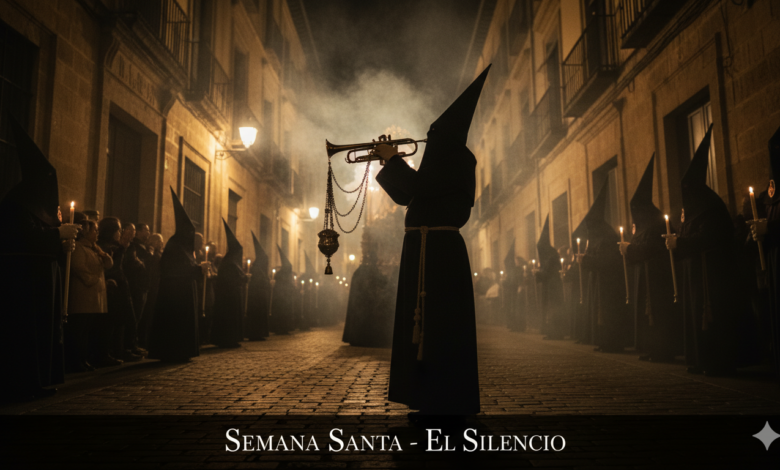
Have you ever heard the sound of a lone trumpet echoing through a quiet, candlelit street? Semana Santa Or smelled the sweet scent of incense mixed with orange blossoms in the spring air? If so, you might have been thinking about Semana Santa. This beautiful tradition, also known as Holy Week, is one of the most important times of the year for millions of people. It is a week filled with giant parades, colorful flowers, and deep feelings. Whether you are religious or just love history, this week offers something truly special that you will never forget.
In 2026, Semana Santa is going to be an incredible experience. People all over the world, especially in Spain and Latin America, are already getting ready. They spend months fixing up huge statues and practicing their music. It is not just a holiday; it is a way for families to come together and celebrate their culture. In this guide, we will walk through everything you need to know. We’ll talk about when it happens, what the parades look like, and even what yummy snacks you should try!
When is Semana Santa 2026?
One of the most important things to know is that the dates change every year. This is because the holiday follows the moon! For semana santa 2026, the celebration will begin on March 29 and end on April 5. It always starts on Palm Sunday and finishes on Easter Sunday. Because it is happening at the end of March this year, the weather should be lovely and cool—perfect for walking around and watching the festivities.
Knowing the dates for semana santa 2026 helps you plan your travel early. Since this is such a popular time, hotels in places like Seville or Malaga fill up very fast. You might see people carrying palm branches on the first Sunday to remember Jesus entering Jerusalem. By the time Friday comes around, the mood gets more serious as people remember his sacrifice. It is a week of many different emotions, from sadness to great joy!
Key Details: Semana Santa at a Glance
To make things easy, here is a quick look at the “biography” of this world-famous event.
| Feature | Details |
| Official Name | Semana Santa (Holy Week) |
| 2026 Dates | March 29th – April 5th |
| Main Locations | Spain (Seville, Malaga), Guatemala, Mexico, Philippines |
| Core Traditions | Street processions, “Pasos” (floats), religious music |
| Traditional Dress | Nazareno robes and pointed hoods (Capirotes) |
| Must-Eat Food | Torrijas (Spanish French Toast), Pestiños, Salted Cod |
| Significance | Commemorating the Passion, Death, and Resurrection of Jesus |
The Amazing History of Holy Week
The story of Semana Santa goes back hundreds of years, all the way to the Middle Ages. In the beginning, it was a way for people who couldn’t read to learn the stories of the Bible. Groups of people called “brotherhoods” would carry statues through the streets so everyone could see them. Over time, these simple walks turned into the massive, artistic parades we see today. Some of the statues used in semana santa 2026 are actually hundreds of years old and very valuable!
In Spain, the tradition became very famous in the 1500s. People wanted to show their faith in public. Today, it is a mix of old history and modern life. You will see young children and great-grandparents all marching together. It is a “living history” lesson that takes over the entire city. Even if you don’t know the history well, you can feel how much it means to the local people. It is about more than just religion; it is about who they are.
What Happens During the Processions?
If you visit during semana santa 2026, you will see “processions” almost every day. These are like long, slow parades. The stars of the show are the “pasos.” These are enormous wooden platforms with statues of Jesus or the Virgin Mary on top. They are decorated with thousands of fresh flowers and tall wax candles. It is a beautiful sight, especially at night when the candles glow against the old buildings.
The people carrying these heavy floats are called “costaleros.” They hide underneath the platform, so it looks like the statues are walking on their own! It is very hard work, and they do it to show their devotion. Following the floats are the “nazarenos.” They wear long robes and tall, pointed hats that cover their faces. While the hats might look strange to some, they are actually a symbol of being humble and seeking forgiveness.
Famous Cities to Visit in 2026
If you are planning to see semana santa 2026, where should you go? Seville is perhaps the most famous place in the world for this. The streets are narrow, and the atmosphere is electric. You can hear “saetas,” which are beautiful, sad songs sung from balconies as the statues pass by. It’s enough to give you goosebumps! Another great spot is Malaga, where the floats are so big they are called “thrones.”
In Latin America, Antigua in Guatemala is famous for its “alfombras.” These are colorful carpets made of dyed sawdust and flowers laid out on the streets. They are like giant pieces of art that the parade walks over! Each city has its own flavor. Some are very quiet and serious, while others are loud with drums and trumpets. No matter where you choose for your Semana Santa trip, you are in for a treat.
Traditional Foods You Must Try
You can’t talk about Semana Santa without talking about the food! Since many people don’t eat meat on Friday during this week, they have created some delicious alternatives. The most famous treat is called Torrijas. Think of it like a very fancy Spanish French toast. It is bread soaked in milk or wine, fried, and covered in honey or sugar. They are so tasty you’ll want to eat them all year long!
Another favorite is “Potaje de Vigilia,” which is a warm stew made with chickpeas, spinach, and cod. It is very filling and healthy. For dessert, look for “pestiños,” which are crispy honey-coated fritters. During semana santa 2026, you will see bakeries filled with these treats. Eating these foods is a big part of the tradition, and it’s a great way to experience the culture with your taste buds!
Why the Music Matters So Much
The music of Semana Santa is something you will hear before you even see the parade. Large brass bands follow the floats, playing slow, powerful marches. The sound of the drums mimics a heartbeat, and the trumpets sound very regal. This music helps the “costaleros” walk in rhythm. It creates a mood that is both sad and very strong.
Sometimes, the music stops, and there is total silence. This usually happens in the middle of the night. Then, a single person might start singing a “saeta” from a balcony. This is a very emotional moment. Even if you don’t understand the words, you can feel the passion in the singer’s voice. For semana santa 2026, many bands are already practicing their songs to make sure they sound perfect for the crowds.
Understanding the “Nazareno” Costumes
Many visitors find the costumes of the semana santa participants very interesting. The nazarenos wear long tunics and a “capirote,” which is the tall, pointed hood. The reason they cover their faces is for “anonymity.” It means that when they do a good deed or pray, they want it to be between them and God, not for everyone to see who they are. It is an act of being humble.
The colors of the robes often have meanings. Purple usually stands for penance or being sorry, while black is for mourning. Some brotherhoods wear white for hope or green for life. During semana santa 2026, you will see thousands of people in these colorful robes. It makes the streets look like a sea of color. It is a tradition that has been passed down from parents to children for generations.
Is Semana Santa for Everyone?
You might wonder if you should go to semana santa 2026 if you aren’t religious. The answer is a big YES! While it is a religious event, it is also a huge cultural festival. The art on the floats, the skill of the musicians, and the history of the brotherhoods are fascinating for everyone. It is a time when the whole community comes out to the streets.
The atmosphere is very welcoming. You will see families sitting on folding chairs, friends sharing snacks, and kids collecting wax from the candles to make big wax balls. It’s a giant street party and a solemn prayer all wrapped into one. As long as you are respectful of the processions, you will have a great time. It is a chance to see a side of the world that is deeply traditional and very beautiful.
Tips for Enjoying the Week
If you are going to be there for semana santa 2026, here are a few “pro tips.” First, wear very comfortable shoes! You will be doing a lot of standing and walking. Second, be patient. The streets get very crowded, and it can take a long time to move around. It is better to pick one spot and wait for the parades to come to you.
Also, remember to check the weather. While it’s usually sunny, a little bit of rain can cancel a parade because the statues are too delicate to get wet. Finally, try to learn a few words of Spanish like “paso” or “hermandad.” The locals will love that you are taking an interest in their special week. Semana Santa is all about sharing the experience with others!
Frequently Asked Questions (FAQs)
1. What are the specific dates for Semana Santa 2026? The week begins on Sunday, March 29th (Palm Sunday) and concludes on Sunday, April 5th (Easter Sunday).
2. Is it free to watch the parades? Yes! The processions happen in the public streets, so anyone can watch them for free. Some areas have chairs you can rent, but standing on the sidewalk costs nothing.
3. Why do people wear pointed hoods? The hoods, called capirotes, represent penance and humility. By covering their faces, participants focus on their faith rather than their personal identity.
4. What is the most famous city for Semana Santa? Seville, Spain, is widely considered the most famous, though cities like Malaga, Spain, and Antigua, Guatemala, are also world-renowned for their celebrations.
5. Can I take photos of the processions? Absolutely! Just be respectful. Don’t use a flash if it’s dark, as it can distract the people carrying the heavy floats.
6. Do shops and restaurants close during this week? Most restaurants and tourist shops stay open because it is a very busy time. However, some smaller shops might close on Good Friday, which is a public holiday.
Conclusion: A Week Like No Other
In the end, Semana Santa is a celebration that connects the past with the present. It is a week where the streets turn into a stage for faith, art, and community. Whether you are watching the grand “thrones” in Malaga or seeing the colorful sawdust carpets in Guatemala, you are part of something much bigger than yourself. Semana Santa 2026 promises to be a year of beautiful memories and deep cultural discovery.
Are you ready to experience the magic for yourself? Now is the perfect time to start planning your journey. Whether you go for the food, the music, or the history, you will leave with a heart full of wonder.