Swimming is one of the best ways to stay fit and have fun, but it is hard to enjoy when you cannot see where you are going. That is why finding the right swimming goggles is so important for every swimmer. Whether you are just learning how to splash around or you are training for a big race, the right pair makes a huge difference. Good eyewear protects your eyes from harsh pool chemicals like chlorine and helps you spot the wall before you bump into it. When I first started swimming, I used cheap pairs that always leaked, and it almost made me want to quit. Once I found a pair of swimming goggles that actually fit my face, my confidence in the water went way up. In this guide, we will look at everything you need to know to pick the best pair for your needs.
Why You Need High-Quality Swimming Goggles
Many people think any pair of glasses for the water will do, but that is not true. High-quality swimming goggles provide a seal that keeps water out of your eyes completely. This prevents that stinging red-eye feeling you get after an hour in the pool. They also offer UV protection, which is vital if you are swimming outside in the bright sun. Think of them like sunglasses for the water. A good pair will also have an anti-fog coating on the inside of the lenses. This stops them from misting up when you get warm. If you can see clearly, you will feel much safer and more relaxed. Investing in a sturdy pair means they will last for a long time without the strap snapping or the suction failing.
Understanding Different Lens Colors
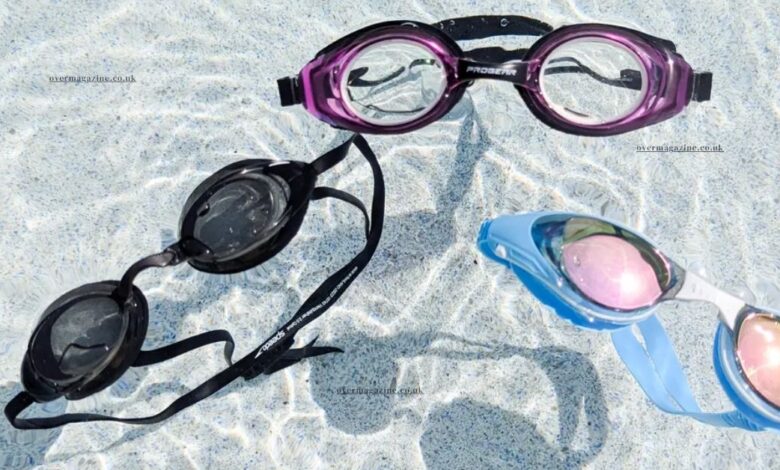
When you go to buy swimming goggles, you will notice the lenses come in many colors. Each color has a specific job. Clear lenses are the most popular choice for indoor pools because they let in the most light. If you swim in a dark or dimly lit area, clear is the way to go. On the other hand, tinted or smoke-colored lenses act like sunglasses. They are perfect for outdoor swimming or very bright indoor pools with lots of windows. Some elite swimmers prefer mirrored lenses. These reflect light away and look very cool, but they also hide your eyes from other competitors. Choosing the right tint helps you see the bottom of the pool without straining your eyes or squinting against the glare.
Finding the Perfect Fit for Your Face
The most important thing about swimming goggles is how they feel on your face. Everyone has a different face shape, so what works for your friend might not work for you. To test the fit, press the goggles against your eyes without using the strap. If they suck onto your skin for a few seconds before falling off, the seal is good. If they fall off immediately, water will likely leak in. You also want to make sure the nose bridge is comfortable. Some pairs come with different-sized nose pieces you can swap out. The strap should be snug but not so tight that it gives you a headache. A comfortable fit ensures you can focus on your strokes instead of constantly fixing your gear.
Anti-Fog Technology Explained
Nothing is more annoying than having your swimming goggles fog up in the middle of a lap. Most modern pairs come with an anti-fog coating applied to the inside of the lens. This coating helps water droplets spread out so they don’t form a mist. It is very important that you never rub the inside of your lenses with your fingers or a towel. Rubbing will scratch the coating and make the fogging worse. Over time, this factory coating will wear off. When that happens, you can buy a special anti-fog spray or gel to refresh them. Keeping your vision clear is a safety priority, especially in crowded lanes where you need to see other people around you.
Comparing Racing vs. Training Goggles
There are two main styles of swimming goggles you will see in stores: racing and training. Training goggles are designed for comfort. They usually have thicker foam or silicone gaskets that feel soft against the skin. They are meant to be worn for long periods during practice. Racing goggles are much smaller and sit deeper in the eye socket. They are designed to be aerodynamic (or “hydrodynamic”) to help you move through the water faster. While racing pairs look sleek, they can be less comfortable for beginners. If you are just swimming for fitness or fun, I usually recommend starting with a comfortable training pair. You want gear that encourages you to stay in the water longer, not something that pinches.
Essential Features of Swimming Goggles
| Feature | Benefit | Best For |
| Silicone Gaskets | Soft seal, hypoallergenic | Sensitive skin & comfort |
| Mirrored Lenses | Reduces glare and brightness | Outdoor/Bright pools |
| Wide Periphery | Better side vision | Open water/Triathlons |
| Split Strap | Secure fit on the back of the head | Active/Fast swimmers |
| UV Protection | Blocks harmful sun rays | Sun protection |
| Adjustable Nose Bridge | Customizable width | All face shapes |
How to Care for Your Goggles
If you take good care of your swimming goggles, they can last for years. After every swim, you should rinse them with fresh, cold water. This removes the chlorine, salt, or sand that can damage the silicone. Once rinsed, let them air dry completely before putting them back in your bag. Never leave them sitting in the hot sun or in a hot car, as the heat can melt the seals or make the plastic brittle. It is also a good idea to keep them in a small hard case or a soft pouch. This prevents the lenses from getting scratched by your keys or other swim gear. Proper maintenance keeps the suction strong and the vision crystal clear.
Swimming Goggles for Kids
Children need swimming goggles that are easy to put on and take off. Kids often struggle with tight straps, so look for pairs with a quick-adjust button on the side. This allows parents to tighten them while the child is already wearing them. For very young children, “mask-style” goggles are a great choice. These are larger and cover more of the face, which can feel less scary for kids who don’t like water near their nose. Make sure the materials are “latex-free” to avoid any skin irritation. Having a bright, colorful pair of swimming goggles can actually make a child more excited about their swim lessons. It turns a scary underwater world into a fun playground they can explore.
Open Water vs. Pool Swimming
Swimming in a lake or the ocean is very different from swimming in a pool. For open water, you should look for swimming goggles with wide lenses. This gives you “peripheral vision,” meaning you can see more to your left and right. This is helpful for spotting landmarks or seeing other swimmers in a race. Polarized lenses are also excellent for open water because they cut through the reflection on the surface of the waves. In a pool, you usually just need to see the black line on the bottom, so smaller lenses are fine. If you plan to do both, a pair of tinted, wide-view goggles is the most versatile choice you can make.
Dealing with Prescription Needs
If you wear glasses in daily life, you might wonder how you will see in the pool. Luckily, you can get prescription swimming goggles. These are pre-made with different strengths for each eye. They are surprisingly affordable and can change your entire swimming experience. No longer will you have to squint at the clock on the wall or struggle to find your towel when you get out. Being able to see clearly underwater makes swimming much safer and more enjoyable for those with nearsightedness. Always check with your eye doctor to find out which “diopter” strength is right for your specific vision needs before ordering.
Common Mistakes to Avoid
One of the biggest mistakes people make with swimming goggles is wearing them too tight. You might think tighter means less leaking, but it actually distorts the seal and causes gaps. It can also leave deep red rings around your eyes that last for hours! Another mistake is choosing a lens that is too dark for an indoor pool. This can make you feel disoriented. Lastly, don’t buy the cheapest pair you find at a grocery store. Those often use low-quality plastic that breaks easily. Spending just a little more on a reputable brand ensures you have a reliable piece of equipment that won’t fail you in the middle of a workout.
Frequently Asked Questions
1. How long do swimming goggles usually last?
With good care, a high-quality pair can last 6 to 12 months if you swim regularly. If you only swim once a week, they might last even longer. Eventually, the anti-fog wears off or the silicone loses its stretch.
2. Why do my goggles keep leaking?
Leaking usually happens because the fit is wrong or the strap is too high or low on your head. Make sure the strap sits at a 45-degree angle toward the crown of your head for the best seal.
3. Can I wear contact lenses under my goggles?
Yes, many people do this, but you must be very careful. If water gets inside, it can trap bacteria against your eye. Prescription goggles are usually a safer and more comfortable option.
4. How do I stop the “raccoon eyes” look?
Look for goggles with soft, large silicone gaskets. These spread the pressure over a larger area of your face, which reduces the deep marks left around your eye sockets.
5. What is the best way to clean my lenses?
Only use fresh water! Never use soap, dish detergent, or glass cleaner, as these chemicals can destroy the anti-fog layer and irritate your eyes the next time you swim.
6. Do I need different goggles for a triathlon?
Most triathletes prefer wide-view, polarized swimming goggles. These help with “sighting” (looking ahead for buoys) and protect your eyes from the bright morning sun reflecting off the water.
Conclusion
Finding the perfect pair of swimming goggles is a total game-changer. It turns an uncomfortable chore into a relaxing and exciting activity. Remember to focus on the fit first, then choose a lens color that matches where you swim most often. Whether you are buying for yourself or your kids, quality matters. Take care of your gear by rinsing it after every use, and it will take care of you. Now that you know what to look for, it is time to grab your gear and dive in! Clear vision is just one pair of goggles away. Happy swimming!