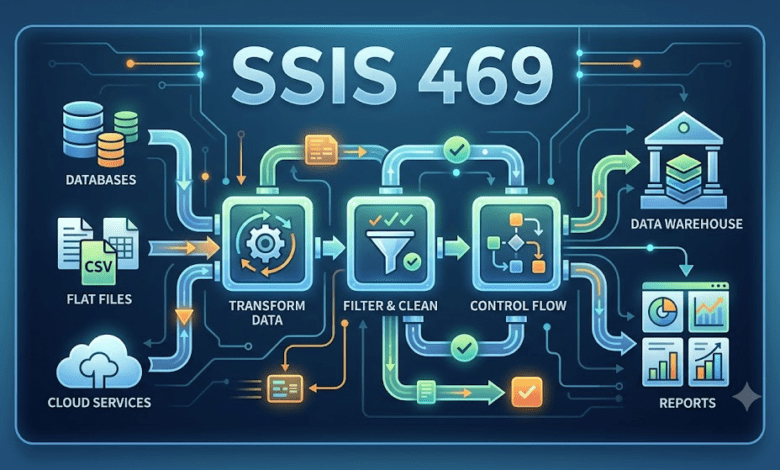
If you work with data, you might have heard of ssis 469. Many people search for information about this topic to better manage their information flows. In this guide, we will break down what you need to know in a simple way. Whether you are new to data tools or just looking for a quick update, this article is for you. We will look at how systems like ssis 469 help organize data and why they matter in our digital world today.
What is SSIS?
At its heart, SSIS stands for SQL Server Integration Services. It is a powerful tool used by professionals to move and change data from one place to another. Think of it like a digital bridge. It takes data from a source, cleans it up, and puts it in a destination where it can be used for reports. Using ssis 469 concepts helps businesses keep their information accurate and easy to find. It is a fundamental part of keeping databases healthy.
Why Data Integration Matters
Data is like a puzzle. Sometimes your pieces are in different boxes, like Excel files or large databases. To see the full picture, you need to bring them together. That is where ssis 469 processes come into play. By automating this, you save time and reduce mistakes. It is all about making sure the right people have the right info at the right time. This is why many companies rely on these tools every single day.
How It Helps Your Workflow
Imagine having to move thousands of records by hand. It would take forever! With ssis 469 methods, you can set up a task once and let the computer handle the heavy lifting. It works in the background while you focus on more important things. This type of efficiency is what modern digital work is all about. You get more done with less effort, which is a big win for any team.
Getting Started with Data Tools
If you want to learn more about ssis 469, start by looking at basic tutorials. You do not need to be a coding genius to get started. Many resources are available to help you understand the basics of ETL—which stands for Extract, Transform, and Load. Learning how to move data effectively is a skill that will help you in almost any tech-related job. Start small, practice often, and you will see results quickly.
Managing Your Data Safely
Security is a huge part of working with data. When you use tools related to ssis 469, you must ensure your connections are safe. Always use strong passwords and keep your software updated. Protecting your data is just as important as moving it. Think of your database as a vault; you want to make sure only authorized people can open it. This keeps everyone’s information private and secure.
The Role of Automation
Automation is the secret sauce of ssis 469. By setting up schedules, your data stays fresh without you needing to press a single button. Whether you need daily reports or weekly updates, automation keeps the gears turning. It is a reliable way to make sure your systems are always running smoothly. Plus, it gives you peace of mind knowing your data is being handled correctly every time.
Solving Common Data Problems
Sometimes things go wrong. Maybe a file is missing or a connection fails. Learning how to fix these errors is a key part of mastering ssis 469. Most errors have a simple fix once you know where to look. Checking your logs and testing your connections often will save you from headaches later. Remember, even the best data experts run into bugs now and then. It is all part of the learning process!
Scaling Your Projects
As your business grows, your data needs will grow too. You might move from a few simple files to massive databases. The beauty of ssis 469 is that it is built to scale. You can start with a small project and grow it as big as you need. It is a flexible tool that adapts to your goals. Whether you are a student or a pro, it grows right along with you.
Tips for Better Performance
To keep your systems running fast, try to simplify your data flows. If you are using ssis 469, avoid making things too complicated. Keep your steps clean and organized. A well-structured project is much easier to manage than a messy one. Small, simple steps are almost always better than one giant, confusing process. Your future self will thank you for keeping things tidy!
Staying Updated in 2026
Technology changes fast. In 2026, tools like ssis 469 continue to evolve to keep up with AI and cloud computing. Staying curious is the best way to keep your skills sharp. Read blogs, watch videos, and keep experimenting. The more you explore, the more comfortable you will become with these tools. Technology is a journey, and there is always something new to discover.
Comparison Table: Traditional vs. Modern Data Flow
| Feature | Traditional Methods | Modern SSIS Approaches |
| Speed | Manual, slow | Fast, automated |
| Accuracy | High human error | Low error rate |
| Scalability | Limited | Highly scalable |
| Ease of Use | Difficult | User-friendly |
Frequently Asked Questions
1. Is ssis 469 difficult to learn for beginners?
Not at all! With basic guides, you can learn the fundamentals quickly.
2. Can I use ssis 469 for cloud storage?
Yes, many modern tools integrate with cloud platforms to manage data easily.
3. What should I do if my data flow fails?
Check your logs to find the error code, then test your connection managers.
4. How often should I update my data processes?
It is good practice to review your workflows every few months to ensure they are still efficient.
5. Where can I find more resources on ssis 469?
Official documentation and community forums are great places to learn and ask questions.
6. Is there an ssis 469 uncensored version?
The term you are looking for refers to standard data management tools; there is no “censored” or “uncensored” version only different versions of software for specific business needs.
Conclusion
Understanding ssis 469 is a great step toward becoming more efficient with your data. By using these tools, you can save time, reduce errors, and focus on what really matters. Whether you are just starting or looking to improve your current skills, keep practicing and staying curious. If you found this guide helpful, feel free to share it with your team or leave a comment below!